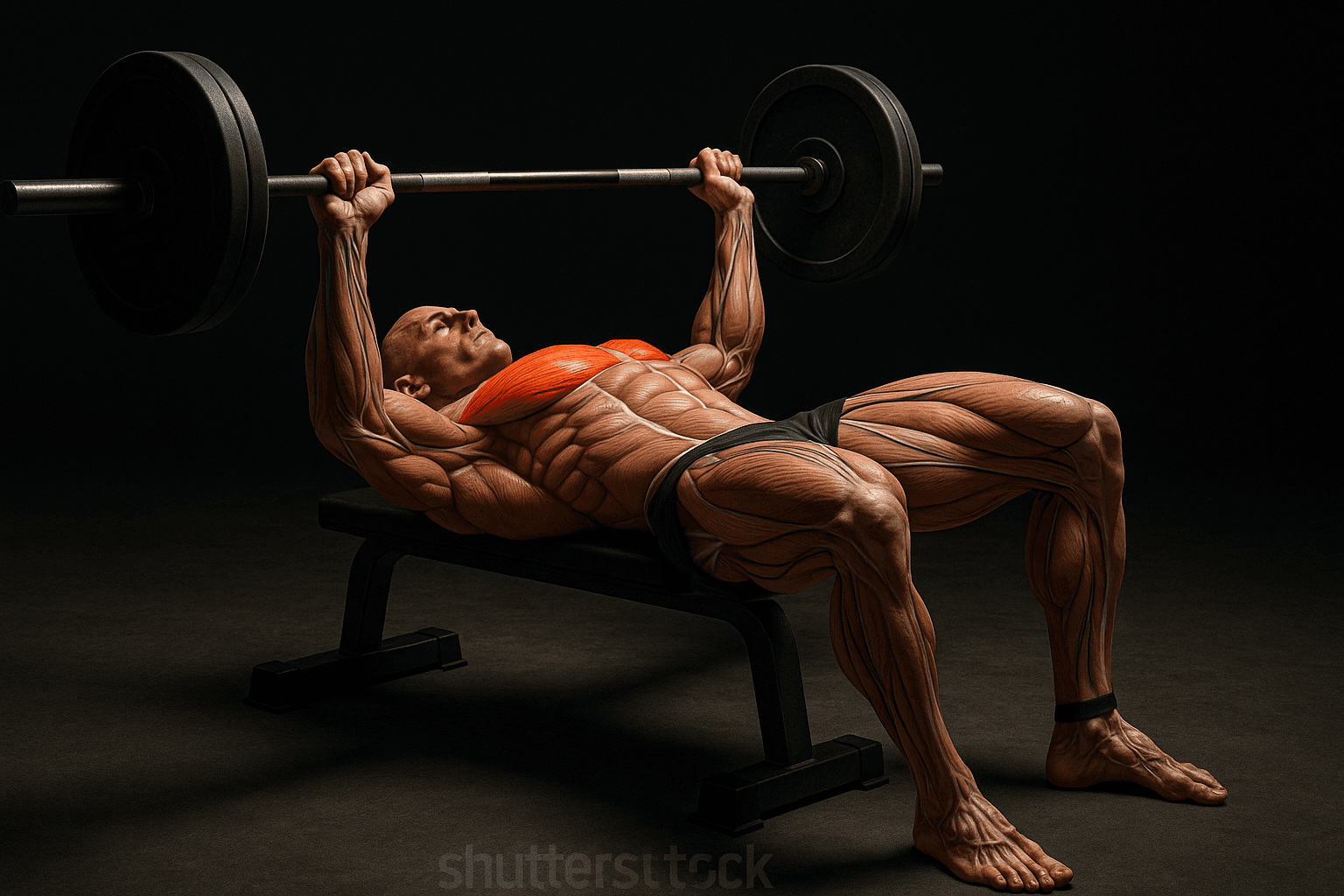
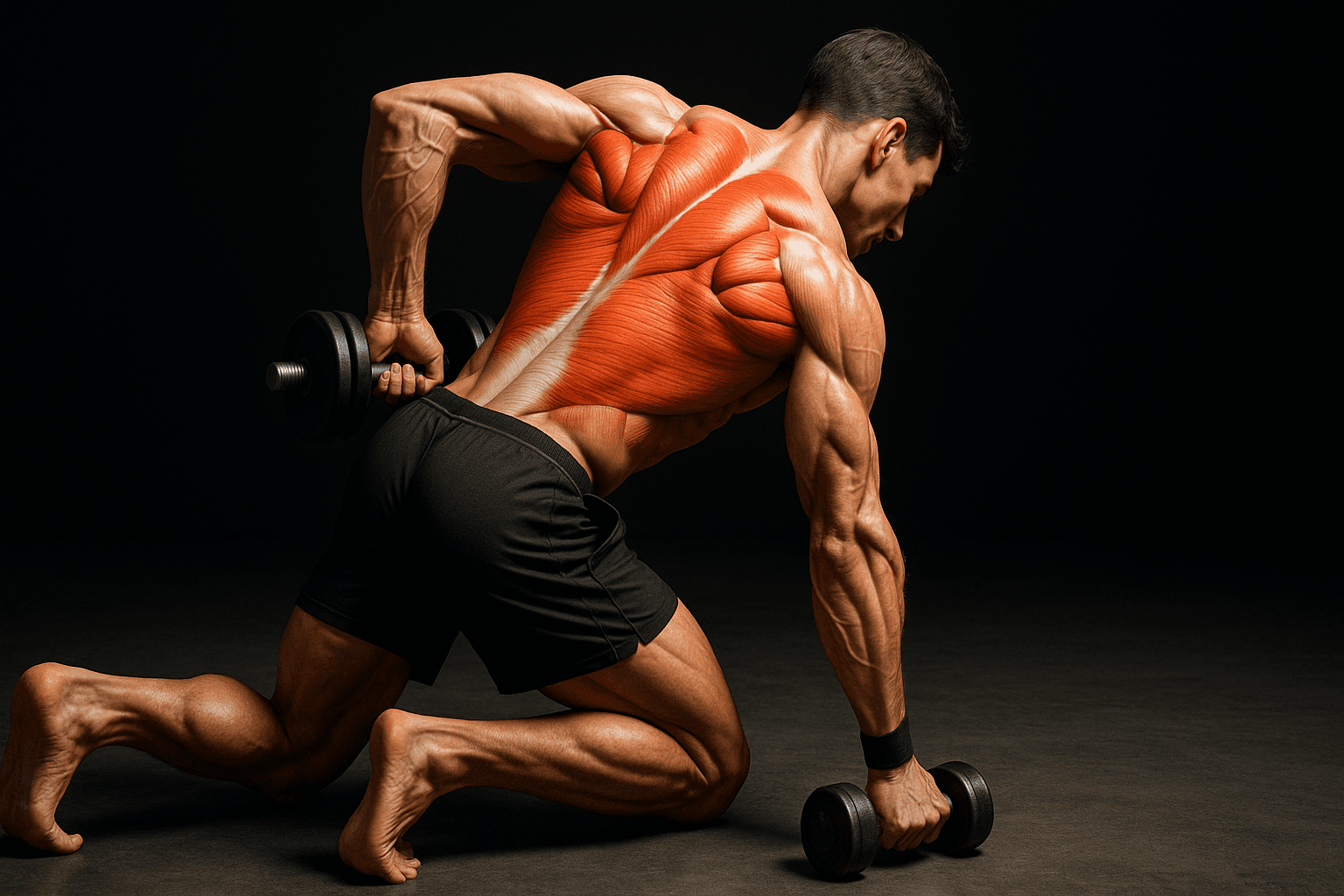
Bench Press Alternatives at Home (Minimal Equipment)
Five practical at-home bench press alternatives using bodyweight, dumbbells, or bands, what each keeps and loses vs the barbell, and when to choose the gym.
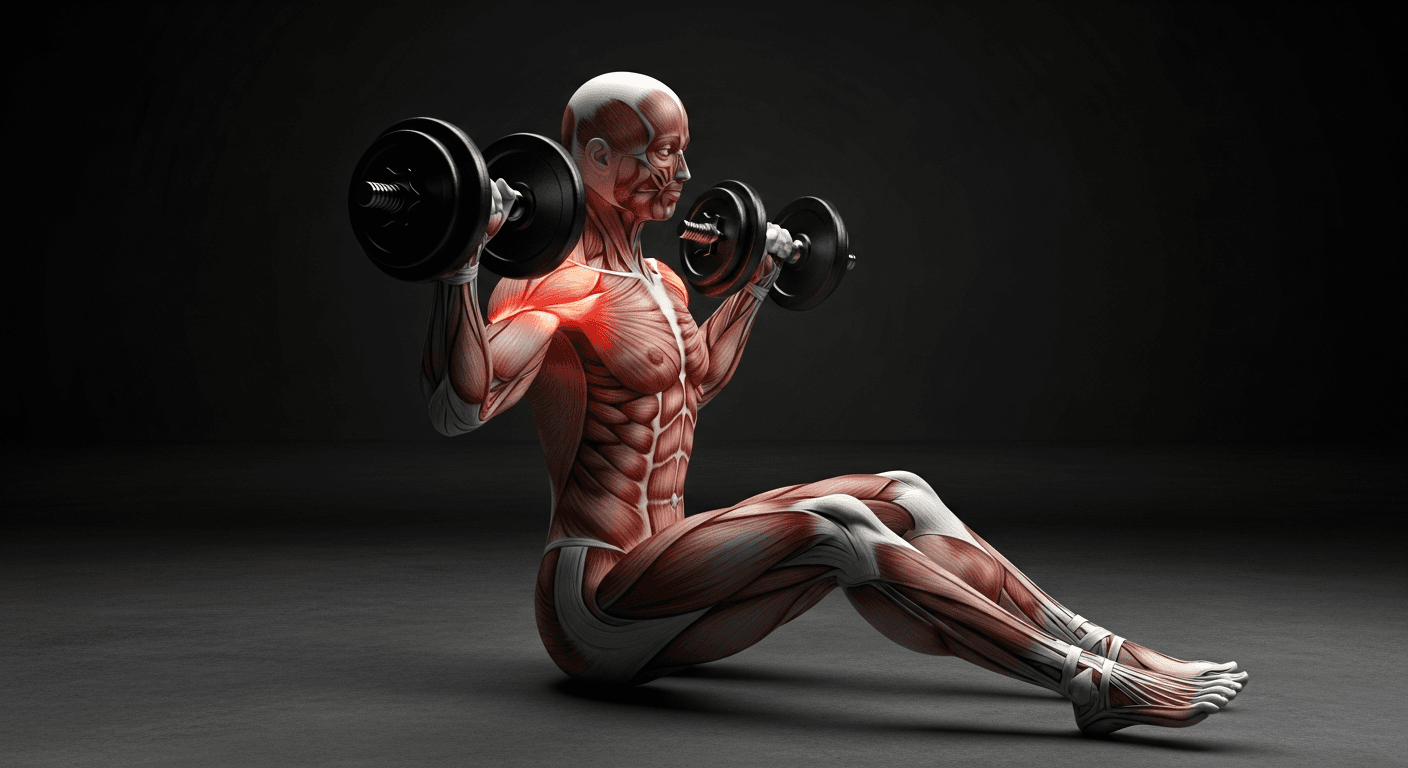
Photo by RepBro.
If you don't have a bench, do progressive push-up variants, dumbbell floor presses, dumbbell presses on furniture, band chest presses, and single-arm standing/landmine-style presses. Each preserves pressing patterns and can produce hypertrophy when loaded and programmed, but none fully replicate barbell-specific load and peak strength potential.
What home movements actually replace the bench press?
- Push-up variants (incline, decline, weighted, archer, deficit)
- What you preserve: horizontal pressing pattern, scapular control, core stability, triceps and pectoral engagement. Easy to scale via tempo, elevation, and added weight.
- What you lose: maximal external loading and equally distributed bilateral overload; full bottom-range pec stretch if done on floor.
- When adequate: general strength, hypertrophy, and conditioning for most lifters. When not: if you need maximal 1RM bench transfer for a competition.
Progression tips: increase reps then add external load (weight vest, backpack), change leverage (decline/incline), or add eccentric tempo. Aim to progress load or reps weekly.
- Dumbbell floor press
- What you preserve: horizontal pressing mechanics and shoulder-friendly range of motion; good triceps stimulus and ability for progressive overload.
- What you lose: full ROM compared to a bench (elbows stop on floor), and you reduce leg drive and back arch use.
- When adequate: excellent for hypertrophy and building pressing strength when you have moderate dumbbells. When not: if you need maximal barbell overload or want to train heavy bilateral coordination.
Programming: use sets of 4–8 reps for strength emphasis or 6–15 for hypertrophy, increasing weight or reps over time.
- Dumbbell press on furniture (sofa, two benches/chairs)
- What you preserve: near-full ROM if you can lie on a stable surface; unilateral loading options allow addressing imbalances.
- What you lose: safety of a rack and easy heavy loading; need to ensure stable, safe setup.
- When adequate: good if you have heavier dumbbells and a safe setup. When not: avoid if furniture is unstable or you plan near-maximal lifts without a spotter.
- Resistance band chest press (anchored to door or post)
- What you preserve: horizontal press pattern and ability to train end-range concentric strength (bands increase resistance at lockout).
- What you lose: exact load quantification can be tricky; bands alter resistance curve (less load at bottom).
- When adequate: useful for augmenting volume, improving lockout strength, and varying tension. When not: if you need high absolute load at the bottom of the press.
Progression tips: use heavier bands, change anchor height, increase sets or reduce tempo.
- Single-arm landmine/standing chest press and dips between chairs
- What you preserve: pressing mechanics, unilateral strength development, and core anti-rotation demands.
- What you lose: pure horizontal load path of a barbell and maximal bilateral overload unless you use very heavy single-arm implements.
- When adequate: useful for balance, stability, and progressive overload when dumbbell or band options are limited. Dips are potent for lower chest and triceps when depth allows.
How should I program these alternatives compared with bench press guidelines?
- Frequency: hit chest about twice per week for most intermediate lifters. Beginners can make progress with fewer sessions.
- Volume: aim to distribute roughly 10–20 sets per week to the chest for hypertrophy, adjusting by recovery and progress.
- Intensity and reps: use heavier, low-rep sets (3–6 reps) for strength work and moderate reps (6–12 or up to 15) for hypertrophy. Use progressive overload—add load, reps, sets, or increase difficulty.
- Deloading: include reduced load/volume phases periodically (every 4–12 weeks depending on fatigue and program design).
These recommendations reflect common sports-science consensus on frequency, volume, and progressive overload for hypertrophy and strength.
How do these options compare side-by-side with a bench press?
| Exercise | Equipment | Preserves vs bench | Loses vs bench | Best use case |
|---|---|---|---|---|
| Push-ups (weighted/incline) | Bodyweight +/- weight | Horizontal press pattern, core/stability | Max bilateral load, full bottom ROM if on floor | Hypertrophy, endurance, portability |
| Dumbbell floor press | Dumbbells | Triceps and pec drive, progressive load | Full ROM, leg drive, maximal symmetry under heavy load | Hypertrophy, shoulder-friendly strength |
| Dumbbell press on furniture | Dumbbells, stable surface | Near-full ROM, unilateral work | Safety for near-max loads, rack support | When moderate-to-heavy dumbbells available |
| Band chest press | Resistance bands | Horizontal press, lockout emphasis | Precise load measurement, bottom-range tension | Accessory work, lockout focus, home volume |
| Single-arm press / dips | Dumbbell or chairs | Unilateral strength, stability | High bilateral max load | Balance, hypertrophy, corrective work |
When is it time to return to a gym and use a barbell bench?
Choose gym-based barbell bench pressing if: you need to develop maximal 1RM bench strength, are peaking for a powerlifting meet, or your progress stalls despite consistent overload at home. Also return when you need the safety and loading capacity of a squat/bench rack and spotter.
Safety note
Stop any rep that causes sharp pain. Consult a qualified professional for persistent pain or an injury history. No article or app can diagnose injuries; use caution when improvising equipment.
Limitations — what apps and AI coaching cannot do
Apps and AI can track sets, suggest progressions, and remind you to increase load, but they cannot see or correct your form in real time. They cannot give a medical diagnosis, or safely spot a near-max lift. A program only works if you consistently execute it and address nutrition, sleep, and recovery. For injuries or rehab, consult a qualified clinician.
If you track progressive overload and sessions, a session log app such as RepBro can help you quantify volume and progression.
Summary
Home bench alternatives—progressive push-ups, dumbbell presses (floor or furniture), band presses, and single-arm presses/dips—preserve the pressing pattern and can drive hypertrophy when programmed with progressive overload. They fall short for very heavy maximal bench work; return to a gym when you need barbell-specific overload, safety, and peaking conditions.
Frequently asked questions
- Can push-ups replace the barbell bench press for strength and muscle?
- Push-ups can build chest and pressing strength and are an effective hypertrophy tool when progressed, but they have limits for maximal absolute strength. For general size and function, push-ups with progressive overload work; for peaking a heavy barbell bench, you need heavy barbell training with a rack and spotter.
- How often should I train chest at home to make gains without a bench?
- Train the chest twice per week on average, distributing 10–20 weekly sets for hypertrophy across sessions. For strength-oriented low-rep work, include heavier efforts once or twice a week. Monitor recovery and reduce volume if progress stalls or fatigue accumulates.
- When is it time to go back to the gym for bench-specific training?
- Return to the gym if you need to lift very heavy loads, prepare for a bench press meet, or require specialized overload using a barbell and rack. Also go back if unilateral or band-based progress stalls despite consistent progressive overload at home.