Battle Ropes Alternatives at Home (Minimal Equipment)
Practical home substitutes for battle ropes using bands, dumbbells, medicine balls, and bodyweight. What each preserves, what it loses, and when a gym visit is warranted.
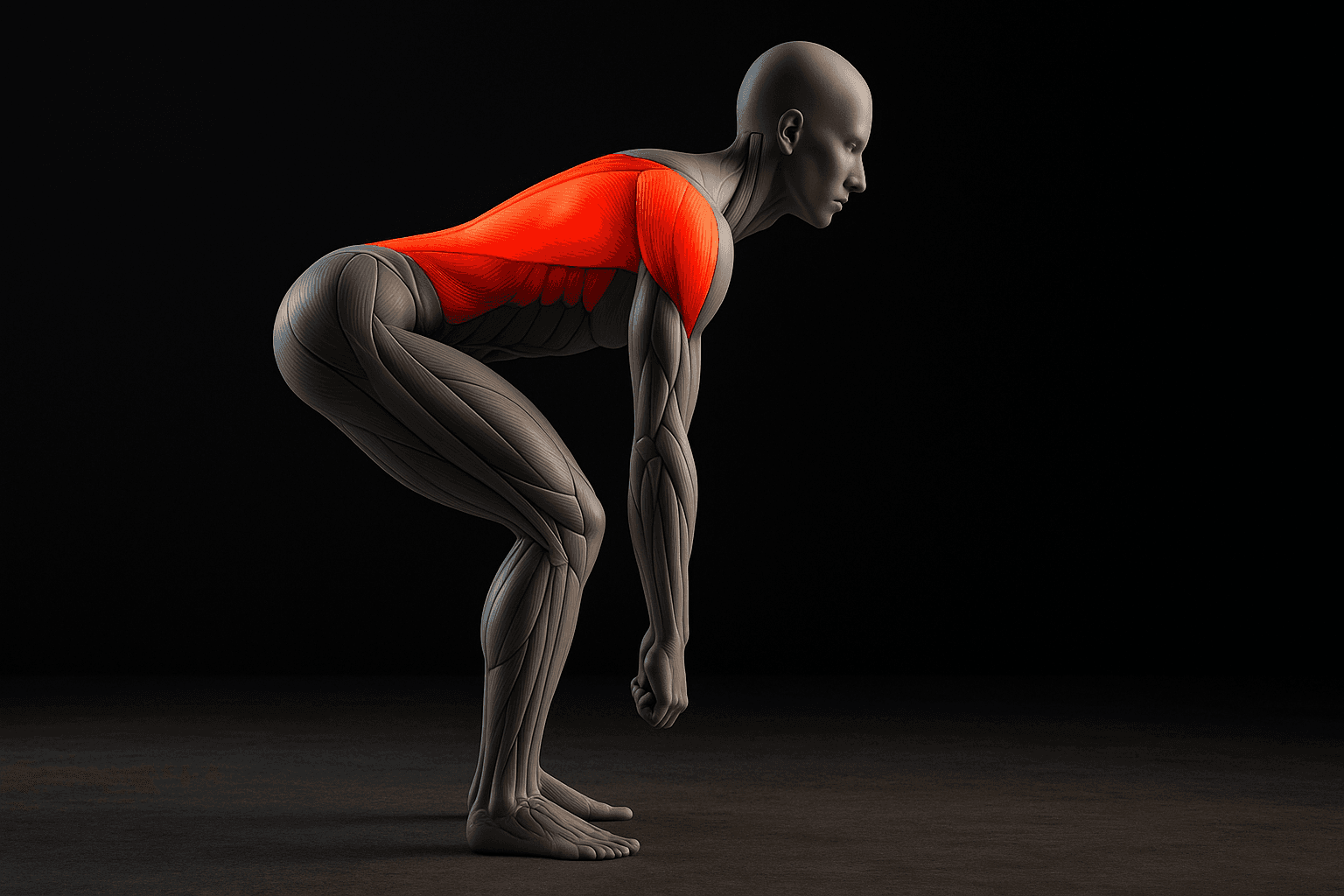
Photo by RepBro.
Yes. You can replace the primary effects of battle ropes at home using bands, a medicine ball, a dumbbell (or two), and bodyweight work. Each substitute captures different elements—power, conditioning, unilateral work, or core anti-rotation—while losing some aspects of sustained oscillation and rope-specific grip endurance.
What exactly do battle ropes train that I might miss at home?
Battle ropes combine repeated high-velocity shoulder work, core anti-extension/anti-rotation demands, grip endurance, and metabolic conditioning via short, intense intervals. They’re unique because the oscillatory wave pattern forces rapid force production and coordination while also providing a steady stimulus for shoulder and upper-back stamina.
Which at-home alternatives use minimal equipment and what do they preserve or lose?
Below are 4–5 practical substitutes using bands, dumbbells, medicine balls, and bodyweight. For each I list what it preserves, what it loses versus real ropes, and when that swap is an adequate choice.
1) Anchored resistance-band alternating waves
- Equipment: heavy loop or long band (heavy resistance), anchor point
- What it preserves: alternating unilateral shoulder work, high-rep shoulder endurance, and the anti-rotation core demand when done standing.
- What it loses: the exact oscillatory feel and continuous rope friction; less grip fatigue if handles are soft.
- When adequate: Great for building shoulder endurance and practising alternating rhythm when you can't get a rope. Progress by increasing band resistance or interval length.
2) Medicine-ball slams (alternating or rotational)
- Equipment: medicine ball or slam ball (4–10 kg / 9–22 lb typical range for many lifters)
- What it preserves: high-velocity triple-extension and core power; similar metabolic spike when done as intervals.
- What it loses: continuous bilateral shoulder endurance and the wave pattern; different eccentric loading and less grip stamina.
- When adequate: Use slams when your goal is power and conditioning. They’re especially useful if you value vertical force production and rotational power.
3) Alternating dumbbell or kettlebell swings/slams
- Equipment: one or two dumbbells/kettlebells
- What it preserves: unilateral power, hip-drive assistance for full-body conditioning, and shoulder control with alternating patterns.
- What it loses: the specific rope waving motor pattern and sustained shoulder-only workload.
- When adequate: Good for total-body conditioning and developing force production that translates to rope-style intervals.
4) Dumbbell alternating chops / single-arm rows in an interval format
- Equipment: dumbbell(s)
- What it preserves: unilateral load, core anti-rotation, and some shoulder endurance if paced high enough.
- What it loses: the wave timing and long-duration shoulder oscillation; it’s more about loaded strength than repeated velocity.
- When adequate: Choose this when you want to include a strength component alongside conditioning—easier to progress with load.
5) Bodyweight high-intensity alternates (mountain climbers, plank shoulder taps)
- Equipment: none
- What it preserves: metabolic conditioning, core anti-rotation, and some shoulder stabilization at lighter loads.
- What it loses: meaningful external load and grip/shoulder endurance under resistance.
- When adequate: Useful when you have zero equipment and need short, intense metabolic work focused on core and shoulder stability.
Comparison table: how do common home options stack up against battle ropes?
| Exercise | Equipment | Preserves | Loses | When adequate |
|---|---|---|---|---|
| Resistance-band waves | Band + anchor | Alternating shoulder work, core anti-rotation | Rope oscillation feel, rope grip endurance | When you want alternating shoulder endurance but no rope |
| Medicine-ball slams | Med ball | High-velocity power, metabolic spike | Continuous shoulder endurance, oscillatory rhythm | When power + conditioning are priorities |
| Dumbbell swings/alternating slams | DB/KB | Unilateral power, conditioning | Rope-specific oscillation and prolonged shoulder-only work | When whole-body conditioning or load progression needed |
| Dumbbell chops/rows intervals | DB | Core anti-rotation, unilateral strength | Sustained rope rhythm, high-rep shoulder stamina | When adding load and strength focus |
| Mountain climbers / plank taps | Bodyweight | Cardio, core stability | External load, grip and shoulder endurance | When no equipment available and conditioning is the goal |
How should I program these substitutes compared to actual rope work?
Treat them like high-intensity interval conditioning or short power blocks. Do 2–4 sessions per week depending on your overall training load, and avoid repeating maximal-intensity rope-style intervals on consecutive days. Progress by increasing resistance, interval duration, or reducing rest—not by vastly increasing total session time.
How do I know when to go to a gym for real battle ropes?
Consider returning to the gym when any of the following are true: you need very long-duration alternating waves for sport-specific endurance; you want to overload grip and shoulder endurance beyond band resistance; you’re rehabbing with a clinician who prescribes rope patterns; or you simply want the rope motor pattern and rhythm for carryover to your sport.
Safety note
Stop immediately if you feel sharp or unusual pain. Start with lighter resistance and focus on movement quality before adding speed. These are general suggestions only; consult a qualified clinician for injuries or rehab needs. No app or article can diagnose or guarantee injury prevention.
Limitations — what apps and AI coaching cannot do for you
- App-based guidance can’t see or correct your real-time form; in-person coaching matters when you’re lifting heavy or rehabbing.
- No app can tailor rehabilitation or treat injuries — only a qualified health professional can do that.
- A training plan only works if you are consistent; adherence and progressive effort are the main drivers of improvement, not the choice of tool.
If you want to log intervals, track progressive overload, and keep a simple record of band resistances or slam counts, tools like RepBro can help you record and review sessions.
Summary: You can get most of the metabolic conditioning, core work, and power stimulus of battle ropes at home with bands, medicine balls, dumbbells, and bodyweight. Each substitute sacrifices some rope-specific oscillation and grip endurance, so pick tools based on whether your priority is power, conditioning, or progressive overload—and visit a gym when you need the rope’s unique continuous stimulus or higher loads.
Frequently asked questions
- Can I replace battle ropes at home without a rope?
- Yes. You can replicate the core, conditioning and unilateral shoulder work of battle ropes with bands, medicine-ball slams, dumbbell alternating power moves, and high-intensity bodyweight drills. Each substitute preserves some qualities and loses others; choose based on your goal (conditioning, power, or endurance).
- How often should I do rope-style conditioning at home?
- Train rope-style intervals as part of 2–4 conditioning sessions per week, leaving at least 48 hours between intense efforts for recovery. Keep sessions short and focused—quality of intervals matters more than total time.
- When should I return to a gym for real battle ropes?
- If you need long-duration rope waves, very heavy load for grip and shoulder endurance, or to practise rope-specific rhythm/coordination, gym access is appropriate. Also consider the gym if you have limited home equipment and want progressive overload beyond bands or light weights.