Barbell Shrug Alternatives at Home (Minimal Equipment)
Practical at-home alternatives to the barbell shrug using dumbbells, bands, carries, and bodyweight. What each preserves, what it loses, and when to go to a gym.
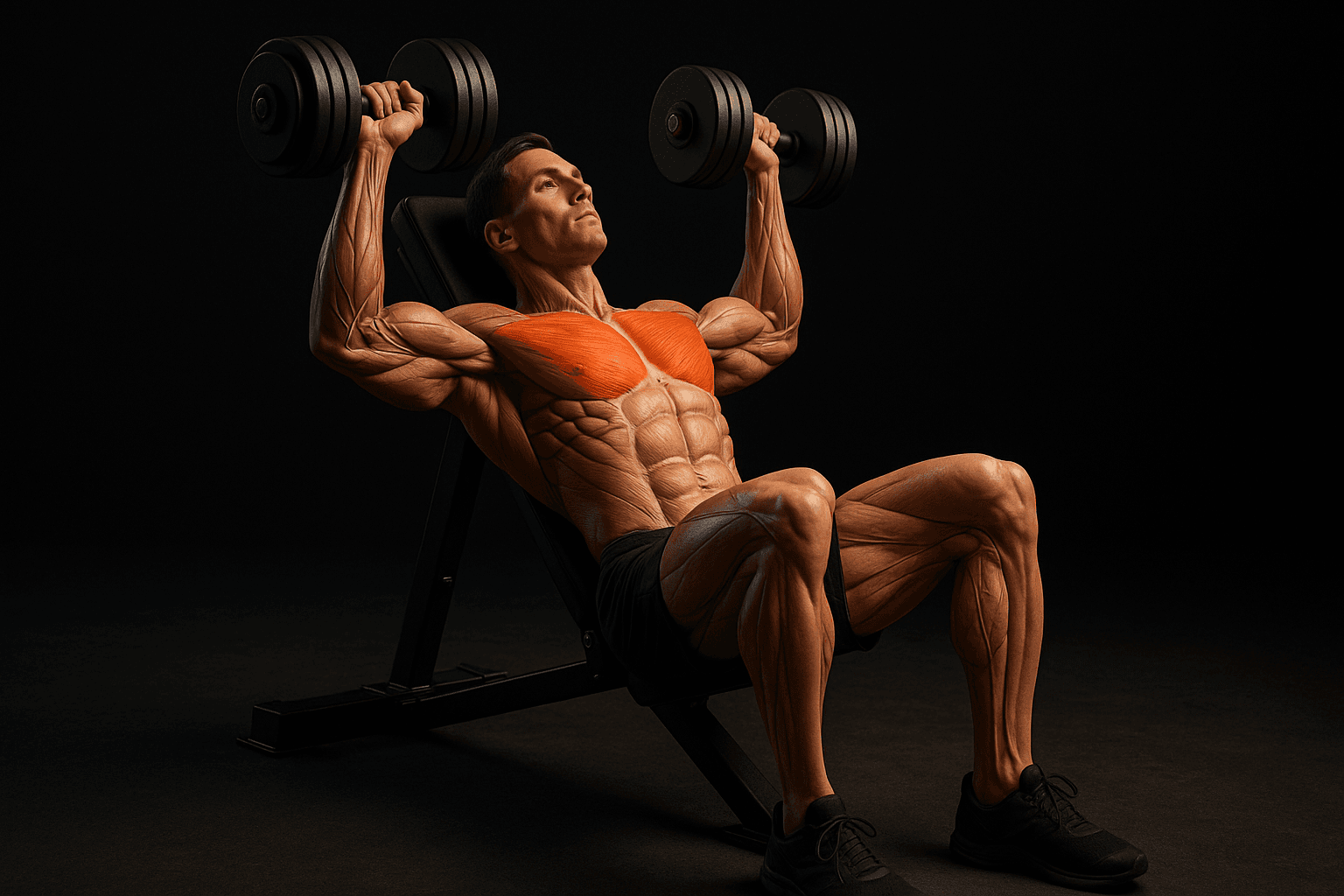
Photo by RepBro.
Short answer: You can replicate the barbell shrug at home using dumbbell shrugs, single-arm variations, banded shrugs, farmer/suitcase carries, and prone Y/T raises. Each option preserves some trap stimulus (vertical pull, overload, or time under tension) but sacrifices absolute load, symmetry, or bar path control.
What does the barbell shrug train and why does that matter?
The barbell shrug primarily targets the upper trapezius with a vertical, bilateral, heavy load and limited range-of-motion—shoulders elevate against resistance. That produces high mechanical tension around the upper traps and neck. If your goal is trap hypertrophy or stronger shoulder elevation, you want exercises that replicate vertical loading and allow progressive overload.
Which home exercises are reasonable substitutes for the barbell shrug?
Below are 5 practical, minimal-equipment options. For each I describe what it preserves versus what it loses compared with a heavy barbell shrug.
- Dumbbell shrugs
- How: Stand holding heavy dumbbells at your sides, shrug shoulders up, lower under control.
- Preserves: Vertical loading, bilateral or unilateral loading options, grip involvement, and similar ROM.
- Loses: Potential for the same absolute load as a loaded barbell (unless you own very heavy dumbbells). Slightly different bar path/stability demand.
- When adequate: For most hypertrophy and strength goals at home.
- Single-arm (offset) dumbbell shrug or heavy suitcase shrug
- How: Hold one heavy dumbbell by one side; shrug and maintain torso upright.
- Preserves: High unilateral load, core anti-rotation demand, and trap tension.
- Loses: Symmetry of bilateral shrug and the ability to evenly double load both traps at once.
- When adequate: Useful for correcting side-to-side imbalances and when you only have one very heavy weight.
- Farmer carry or suitcase carry
- How: Walk holding heavy dumbbells or kettlebells at your sides for distance or time.
- Preserves: Continuous upper-trap activation to stabilize the scapula under load; trains grip and posture.
- Loses: Isolated peak contraction of the shrug; less emphasis on vertical elevation ROM.
- When adequate: For functional trap strength, posture, and building capacity if you lack heavy static load for shrugs.
- Banded shrugs
- How: Stand on a band (or anchor beneath feet), hold band ends, and elevate shoulders—slow eccentric.
- Preserves: Long time-under-tension and increasing resistance at end range; easy to manipulate tension.
- Loses: Max absolute load compared with heavy metal weights; different resistance curve.
- When adequate: When you need variable tension, limited equipment, or want safer neck loading with controlled tempo.
- Prone Y/T raises and bodyweight scapular work
- How: Lying face-down on an incline or floor, raise arms into Y or T positions to target mid/lower traps.
- Preserves: Scapular control and mid/lower trap strength important for posture and balanced shoulder function.
- Loses: Direct upper-trap vertical overload—the movement emphasizes different trap regions.
- When adequate: When posture, scapular stability, or rotator cuff health is the priority alongside upper-trap work.
How do these compare side-by-side?
| Exercise | Equipment | What it preserves vs barbell shrug | What it loses | Typical sets/reps guidance |
|---|---|---|---|---|
| Dumbbell shrug | Dumbbells | Bilateral vertical tension, ROM | Max absolute load (if DBs limited) | 2–4 sets of 8–15 |
| Single-arm shrug | One heavy DB | High unilateral load, core demand | Even bilateral loading | 2–4 sets each side, 6–12 |
| Farmer carry | Dumbbells/kettlebells | Continuous trap activation, grip | Peak contraction focus | 3–5 carries of 30–90s |
| Banded shrug | Resistance band | Time under tension, end-range tension | Absolute heavy load | 3–4 sets of 10–20 (slow eccentrics) |
| Prone Y/T | Bodyweight/light weights | Mid/lower trap control, scapular health | Upper-trap vertical overload | 2–3 sets of 10–20 |
Note: Repetition ranges reflect typical hypertrophy or conditioning approaches. Match load so last reps are challenging but technically clean.
How should I program these at home: frequency, volume, progression?
Train trap-focused work 2–3 times per week and distribute volume across the week. Use progressive overload: add weight, increase reps, slow the eccentric, or increase time under tension. For hypertrophy, choose loads that make 6–20 reps challenging; for carry-focused work measure progress with time or distance.
Rotate at least two of the above modalities (for example, dumbbell shrugs plus carries or banded shrugs plus prone Y/T) so you train peak contraction and scapular control.
When is the swap adequate and when should I go back to a gym?
- Adequate at home: If your goal is general hypertrophy, posture, and stronger trap function, dumbbells, bands, and carries will typically suffice for months or years. Most lifters can progress sufficiently using these tools.
- Consider the gym if: you need to test or develop near-maximal shrug strength, require very heavy progressive barbell loading not achievable at home, or want precise bilateral loading with a barbell for competitive reasons.
Safety note
Stop if you feel sharp neck pain, dizziness, or radicular symptoms. Keep shrugs short and controlled; avoid forceful neck extension. Consult a qualified health or strength professional if you have neck, shoulder, or spine injuries. This article is informational and does not diagnose or promise injury prevention.
Limitations: what apps and AI coaching can't do for you
No app or AI can watch your form in real time and correct technical errors precisely. They cannot diagnose injuries or provide individualized rehab—see a qualified clinician for that. Finally, no plan works without consistency: adherence and gradual progression determine results more than the specific app you use.
If you have limited equipment, focus on progressive overload through weight, reps, tempo, and carries. For most lifters, these home options provide a meaningful trap stimulus; return to gym equipment only when you need heavier absolute loads or specific barbell practice.
Frequently asked questions
- Can I build my traps at home without a barbell?
- Yes. Dumbbells, heavy carries, and bands let you overload the upper traps and provide meaningful hypertrophy stimulus if you progress load, volume, or time under tension. For very high absolute loads (max strength emphasis), gym equipment eventually enables heavier progressions.
- How often should I train shrugs or trap-focused work?
- Train trap-focused work 2–3 times per week for hypertrophy and strength carryover. Use 2–4 sets per exercise and manage total weekly volume across exercises. Prioritize progressive overload and recovery rather than strict daily frequency.
- Are band shrugs as effective as heavy barbell shrugs?
- Bands can be effective for hypertrophy because they increase time under tension and can produce tension at end range, but they typically provide less absolute load. If your goal is maximal strength or using very heavy loads, barbells or heavy dumbbells at a gym are preferable.