Best Way to Track Workouts: Notebook vs Notes App vs Dedicated Gym App
Dedicated gym apps beat notebooks and notes apps for workout tracking through automatic calculations, progress visualization, and real-time coaching—but paper still wins for simplicity.
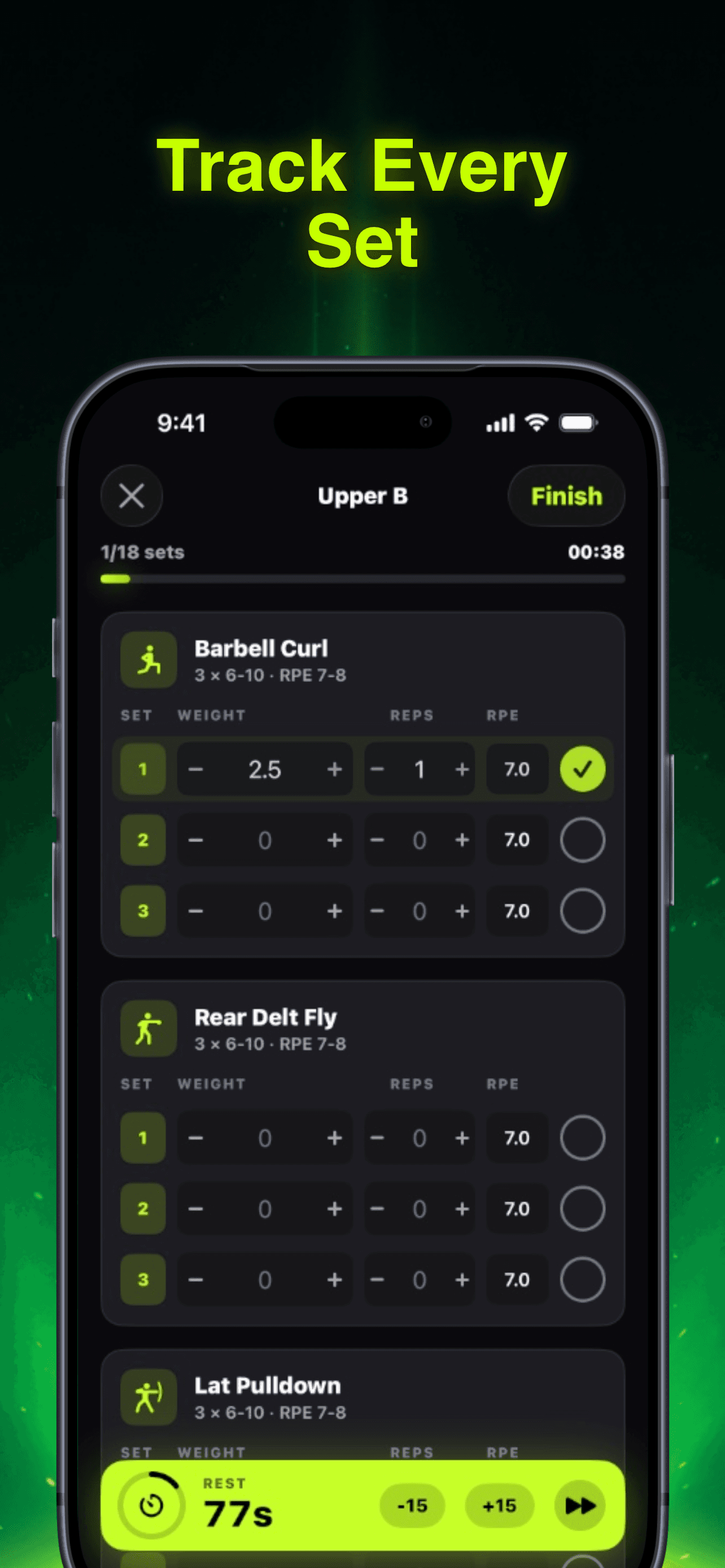
Photo by RepBro.
You walk into the gym with three options: a worn notebook, your phone's notes app, or a dedicated workout tracker. Each has die-hard advocates. The notebook crew swears by the simplicity. The notes app users like having everything in one place. The gym app enthusiasts point to features and analytics.
The best way to track workouts is a dedicated gym app that automates calculations, visualizes progress, and provides real-time coaching. Apps like RepBro eliminate mental math, track volume progression automatically, and adapt your program based on performance data. However, notebooks still excel for lifters who prefer analog simplicity and want zero digital distractions.
The choice depends on your training goals, tech comfort, and what actually gets you logging consistently.
Why Workout Tracking Matters More Than You Think
Most lifters track sporadically or not at all. They remember last week's bench press weight (maybe) but have zero clue about total volume trends or strength progression patterns over months.
Consistent tracking serves three critical functions. First, it enables progressive overload—the fundamental driver of strength and muscle gains. You can't progressively overload what you don't measure. Second, tracking reveals patterns in your performance, energy, and recovery that guide programming adjustments. Third, it provides objective feedback when motivation wavers.
The method you choose determines whether tracking becomes a habit or another abandoned New Year's resolution.
The Notebook: Simple but Limited
The classic composition notebook has powered countless PRs. Write down exercises, sets, reps, weight. Cross out numbers when you hit targets. Circle new PRs. Simple.
Notebook advantages:
- Zero learning curve or technical barriers
- No battery life or app crashes mid-workout
- Faster to jot down basic numbers than opening apps
- Complete focus on lifting without digital distractions
- Cheap and replaceable
Where notebooks fall short:
- Manual calculation of volume, tonnage, and progression
- No automatic rest timers or tempo tracking
- Impossible to analyze trends without spreadsheet data entry
- Easy to lose or forget at home
- Messy handwriting becomes illegible under fatigue
Notebooks work best for experienced lifters running simple programs who prefer analog tools and don't need detailed analytics.
Notes Apps: The Worst of Both Worlds
Your phone's built-in notes app seems like a logical middle ground. You already carry your phone, and typing might be faster than handwriting.
In practice, notes apps combine the limitations of both notebooks and dedicated apps. You get the manual calculations and lack of features from notebooks, plus the battery dependence and distraction potential of digital tools.
Notes app problems:
- No workout-specific features like rest timers or RPE scales
- Manual formatting makes data entry slow and inconsistent
- Zero analytics or progress visualization
- Easy to accidentally delete or lose data
- Notifications and other apps constantly interrupt focus
The only scenario where notes apps make sense is emergency backup when your primary tracking method fails.
Dedicated Gym Apps: The Clear Winner for Most Lifters
Purpose-built workout trackers solve the fundamental problems of notebooks and notes apps. They automate calculations, visualize progress, and provide coaching features that improve your training.
Key advantages of gym apps:
Automatic Calculations and Analytics
Apps instantly calculate total volume, tonnage, estimated 1RMs, and training load. You see whether you're progressing, plateauing, or regressing without manual math. RepBro tracks PRs across all rep ranges and shows volume trends over time.
Built-in Rest Timers and Workout Tools
No more guessing rest periods or losing track of time between sets. Apps provide customizable rest timers, tempo guides, and RPE scales. Some include plate calculators and warm-up generators.
Progress Visualization
Charts and graphs reveal patterns invisible in raw numbers. You'll spot when strength gains stall, volume needs adjustment, or certain exercises consistently underperform. Visual feedback motivates consistency better than spreadsheet rows.
Exercise Libraries and Form Cues
Quality apps include extensive exercise databases with video demonstrations and coaching cues. No more wondering about proper setup or muscle targeting for unfamiliar movements.
Program Adaptation and AI Coaching
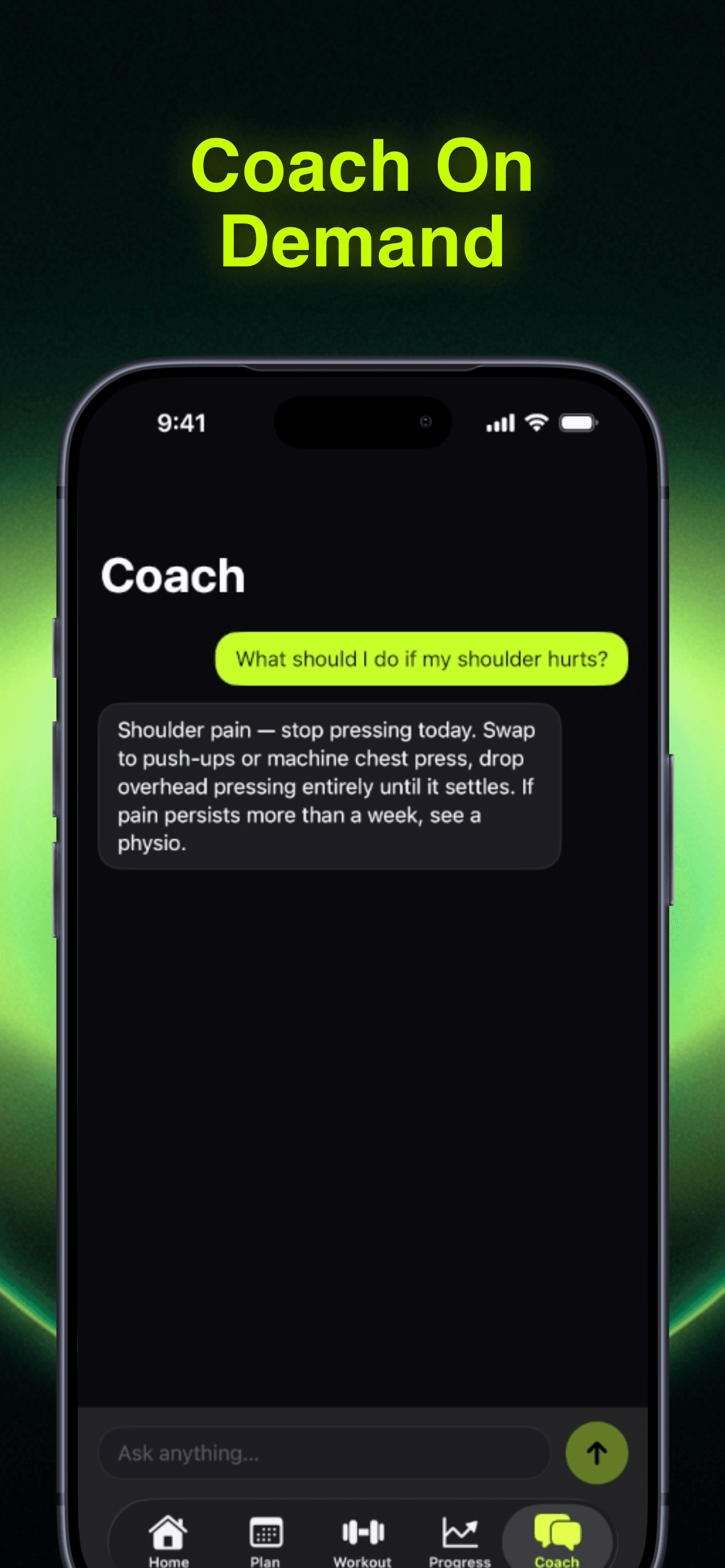
Advanced apps like RepBro use AI to analyze your performance and suggest program modifications. Get real-time answers about exercise swaps, progression protocols, and technique questions without interrupting your workout flow.
How to Choose Your Tracking Method
Your training experience, goals, and preferences determine the best approach.
Choose a notebook if:
- You run simple programs with basic exercises
- You prefer analog tools and minimal technology
- You want zero digital distractions during workouts
- You're comfortable with manual calculations and trend analysis
Choose a dedicated gym app if:
- You want automated calculations and progress tracking
- You run complex programs with periodization
- You value analytics and data-driven program adjustments
- You want built-in coaching and exercise guidance
- You train with various equipment or need exercise swaps
Avoid notes apps unless:
- Your primary tracking method is temporarily unavailable
- You're doing a one-off workout outside your normal routine
Making Tracking Stick: The Consistency Factor
The best tracking method is the one you'll actually use consistently. A perfectly detailed app does nothing if you skip logging half your workouts. A simple notebook beats sophisticated software you abandon after two weeks.
Start with whatever feels most natural, then optimize based on your actual usage patterns. Many lifters begin with notebooks, graduate to apps as their programs become more complex, then sometimes return to notebooks for specific training phases.
The key is logging every set, every workout, without exception. Consistency trumps sophistication.
The RepBro Advantage: Smart Tracking That Adapts
RepBro combines the best aspects of all tracking methods while eliminating their weaknesses. The app provides one-tap logging for sets, reps, weight, and RPE. Built-in rest timers keep you on track without manual timing.
The AI coach answers programming questions mid-workout using your complete training history. Need to swap an exercise due to equipment availability or injury? RepBro suggests alternatives that maintain your program's muscle targeting and progression scheme.
Progress tracking goes beyond basic charts. RepBro analyzes your performance patterns and suggests when to increase weight, adjust volume, or modify exercise selection. You get the analytical power of complex spreadsheets with the simplicity of tapping numbers on your phone.
Most importantly, RepBro eliminates the friction that kills tracking consistency. No complex setup, no overwhelming feature bloat, no manual calculations. Just intelligent logging that makes you a better lifter.
Frequently asked questions
- Is it better to track workouts on paper or with an app?
- Dedicated gym apps are better for most lifters because they automate calculations, track progress trends, and provide real-time coaching. However, notebooks work well for experienced lifters who prefer simplicity and run basic programs.
- What should I track in my workouts?
- Track exercises, sets, reps, weight, and RPE (perceived exertion) for each set. Also log rest periods, workout duration, and any notes about form or energy levels. This data enables progressive overload and program optimization.
- How often should I review my workout tracking data?
- Review your data weekly to check for progression and monthly for broader trends. Look for patterns in strength gains, volume increases, and performance fluctuations to guide program adjustments.
- Can I switch between tracking methods?
- Yes, many lifters start with notebooks and move to apps as their programs become more complex. The key is maintaining consistency with whatever method you choose and ensuring you can transfer historical data if switching.
- Do I need to track every single set and rep?
- Yes, tracking every set provides the complete data needed for progressive overload and program optimization. Partial tracking misses important patterns and makes it harder to identify what's working in your training.